The TV & film industry is a tough one to break into, but not too tough for Dave Blass, production designer for top TV shows, like “The Boys,” “Preacher,” “Constantine,” and “ER.” Like many others before him, Dave got a foot in the door working for the famous Roger Corman’s Concorde Studios. He learned how to work under tight timelines and even tighter budgets.
He’s moved up in his career and is now responsible for the look of a show. From designing sets and finding the right location, to working closely with the visual effects team to create digitally animated worlds, Dave builds worlds for TV every day. With a little help from SketchUp he is able to create crazy, complicated sets in a matter of days.
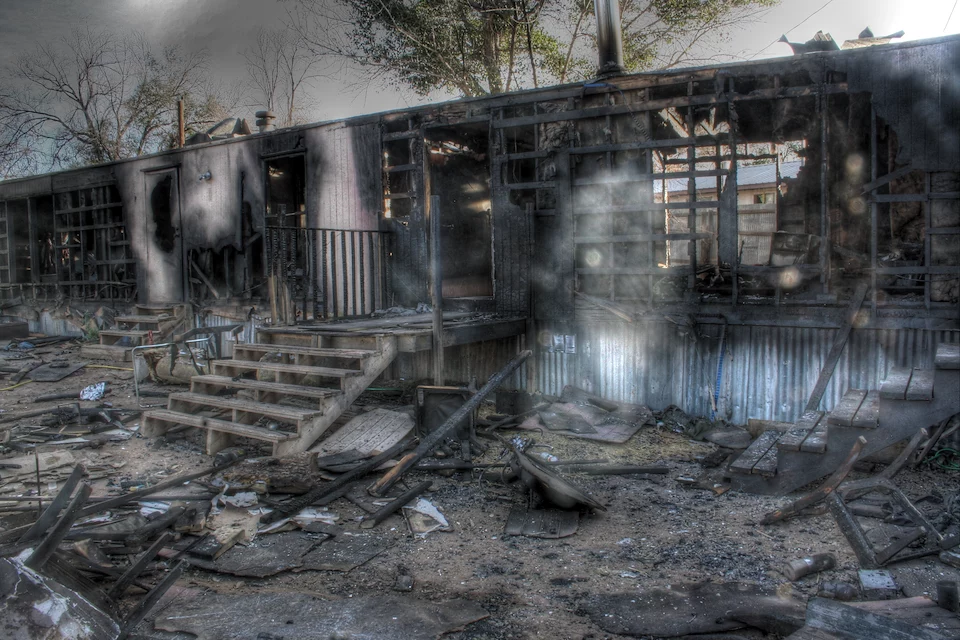
What’s your expertise in the film & TV industry? Do you develop sets for TV shows and film? Is there a difference in workflows?
I have been working mainly in television for the last decade. In television, the “showrunner” or executive producer is really the visionary, unlike in film where it is the director. On most TV shows, each episode is directed by a different person. Also in films, you usually have the script before starting the process. In TV, we often get the script only a few weeks before we are shooting an individual episode; so, the pace is vastly accelerated. In films, you usually start with a script and design sets for what is listed in the script. Because of that, there are fewer “what-ifs” in film. Conversely, in TV, when you are designing what we call a “permanent set” - for example, a generic police squad room, generic hospital ward, or the main character’s home - you are designing the set based on the scripts and information you have available to you. You have no idea what else could potentially happen in that set. Will there be a fire? Will something explode? Where will the bathroom be? Where are the other bedrooms that aren’t in the script? This gets us into the “World Building” aspect of TV set design. This is where you end up designing a lot more of the world than just what the scene is in the script. This allows you to pass off the designs to the writers so that they can write to what you have created, rather than write something that can’t be designed or won’t fit on the soundstage.
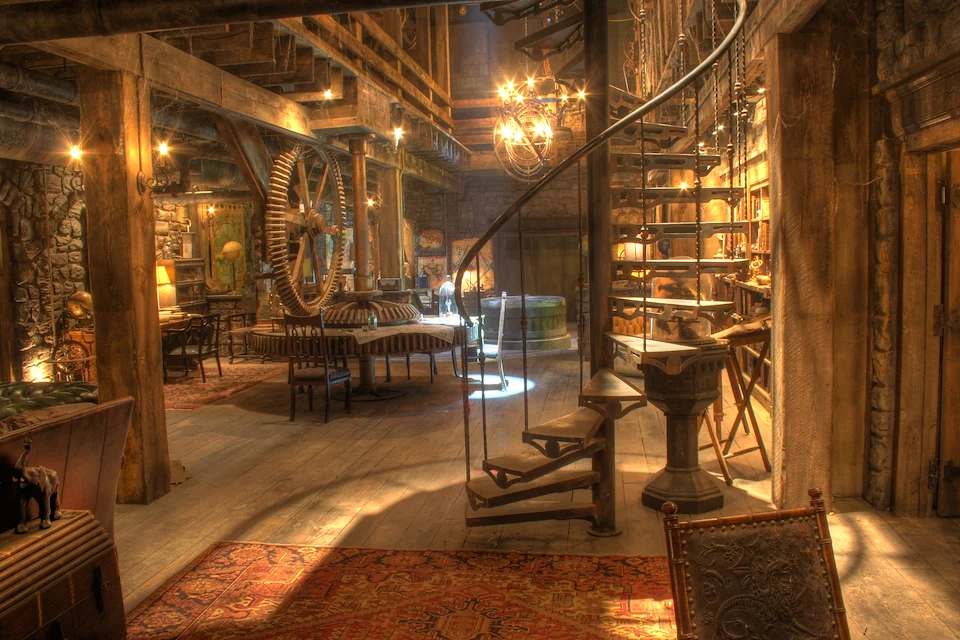
An example of the “World Building” aspect of TV set design. In the series “Constantine” the main character had a mystery house that was filled with ancient artifacts, trap doors, sliding bookshelves, and hidden passages.
What are some of your favorite projects?
I love creating gritty reality — something that has textures and takes the audience to a place that makes them feel like it COULD be a real place but also has a certain fantasy element. “Constantine” was probably my favorite project as it was a great blend of fantasy and reality. Another great example of a fantastical world that is grounded in reality is an Amazon Prime TV series, “The Boys.”
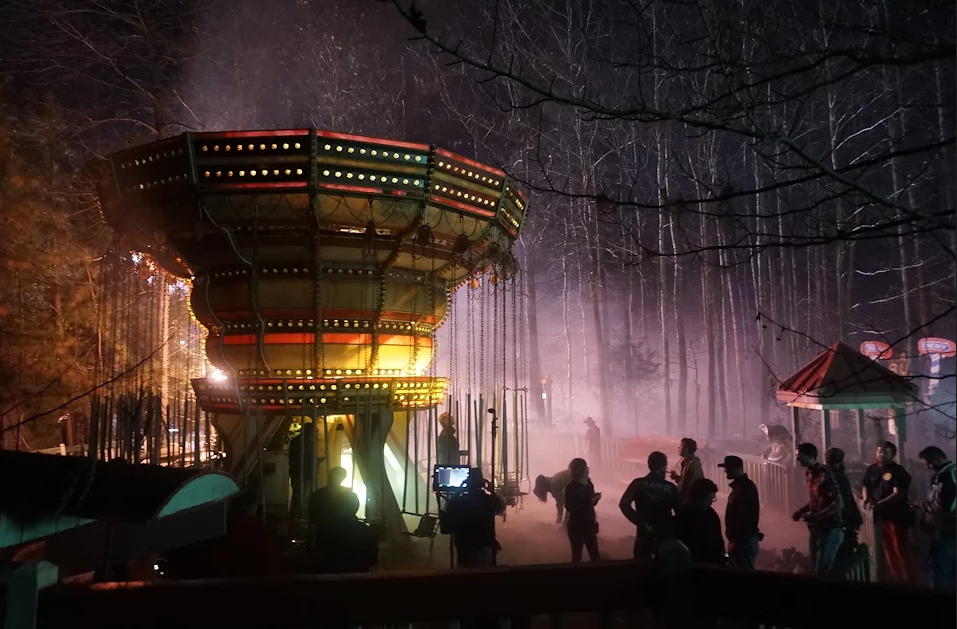
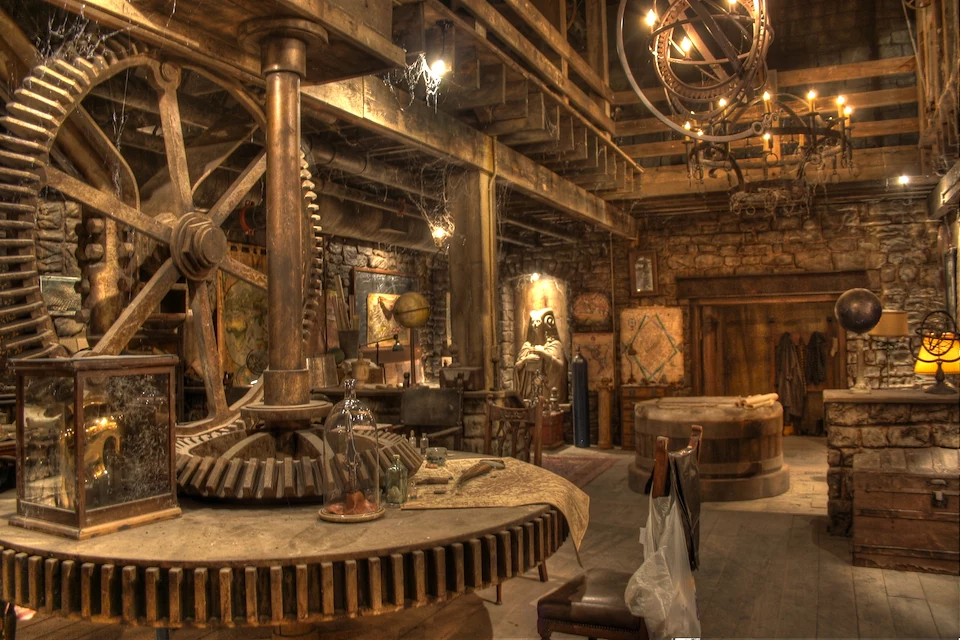
Bridging fantasy and reality in the TV series Constantine via visualization.
How does it feel to see your projects take shape on the big (small) screen?
It’s fascinating! It used to be seeing your name on the big screen at the movie theater was the thing. But now, we are really in the Golden Age of TV where the best storytelling is being done on the small screen. Unless you are on a mega-Blockbuster, your film is out in the theater for a couple of weeks, then it’s gone —especially if you don’t get a big first weekend. TV shows like “Game of Thrones” changed this storytelling scenario. Now, epic-scale shows are being done on TV and audiences are really getting immersed in these worlds like never before. Twenty years ago, there weren't any shows with the scope and level of production value that we are seeing today. Because of that, the fans are more engaged. Adding on to that, with social media there is a longer-term interaction as they tune in every week and analyze the work. Binge-watching and streaming have drastically changed how people watch and experience television today.
Why did you start using SketchUp?
I was introduced to SketchUp by Production Designer Jim Bissell back in 2004. It was introduced during a class that the Art Directors Guild put on in conjunction with SketchUp. It was all new and exciting because it was so easy to jump in and work with. I had been using Vectorworks but needed software that could get more into the 3D aspects. My first show I used SketchUp for was the NBC series “The Biggest Loser.” For that show, I designed the gym set all within SketchUp. I used pre-made models in 3D Warehouse for gym equipment which allowed me to create a realistic-looking gym in a short amount of time.
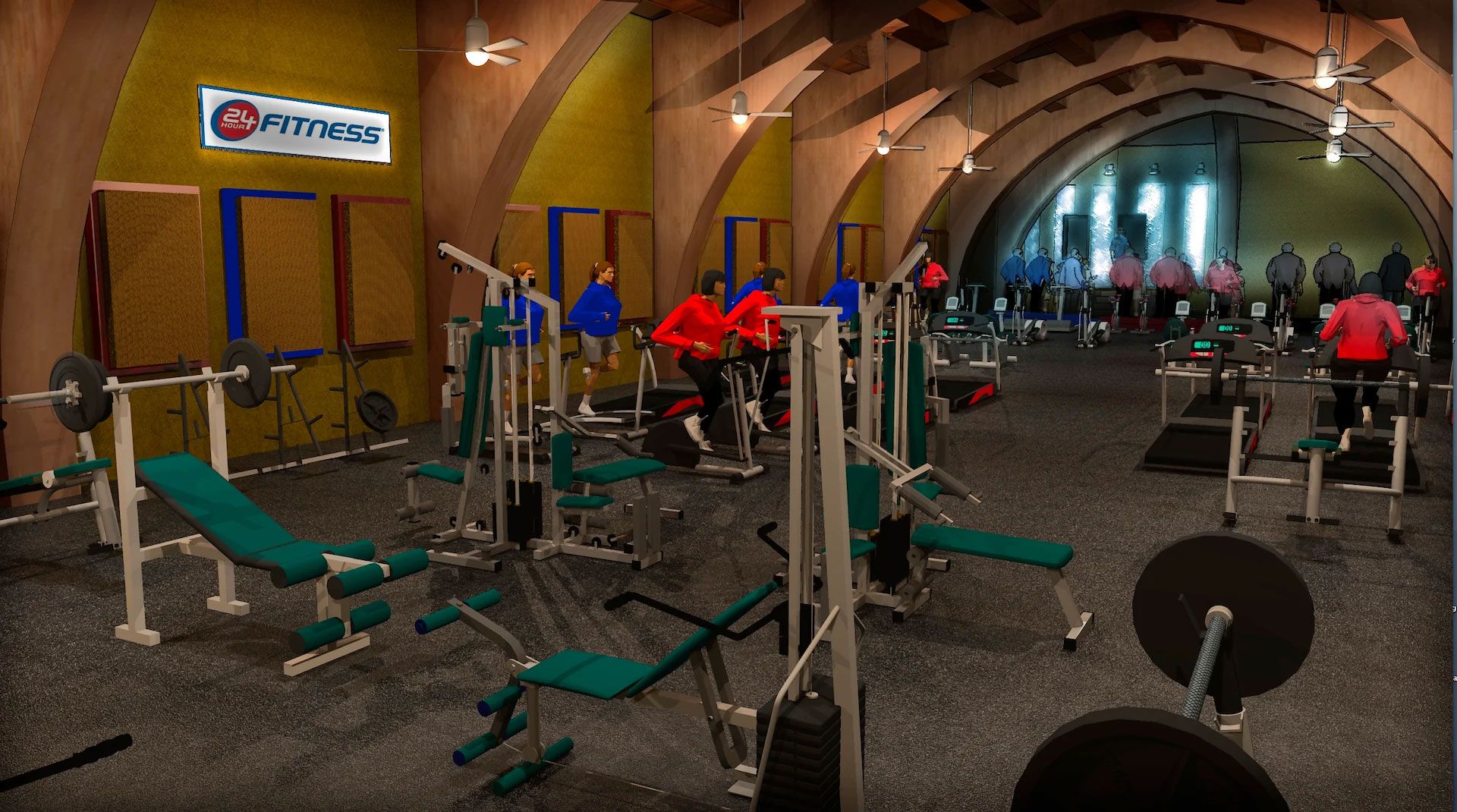
Pre-visualization concepts for “The Biggest Loser” with the help of 3D Warehouse.
How do you use SketchUp?
I use SketchUp as a conceptual, sketching tool. I start out by creating the space by sketching the room or the site first. With SketchUp, I can figure out how big of an area I have to work with before I start dropping in elements. I create the scale of the set by dropping in items like furniture, people, or vehicles. Then, I visualize the scene in my head and walk through how the action would play out, and where the best angles would be for the camera to capture the scene. Before I create everything in a 3D mock, I start out in 2D. I use 2D to play around with the floorplan, and then I elevate the walls and start playing with details and textures. When I feel like my “sketch” helps convey my idea, I pass it off to a Set Designer who will go in and clean up the model. The set designer adds in more detail like moldings. They also tweak specific aspects of the model (for example staircases) to make sure everything will fit. If we have time, we create detailed texture renders or animations when presenting to producers or the network.
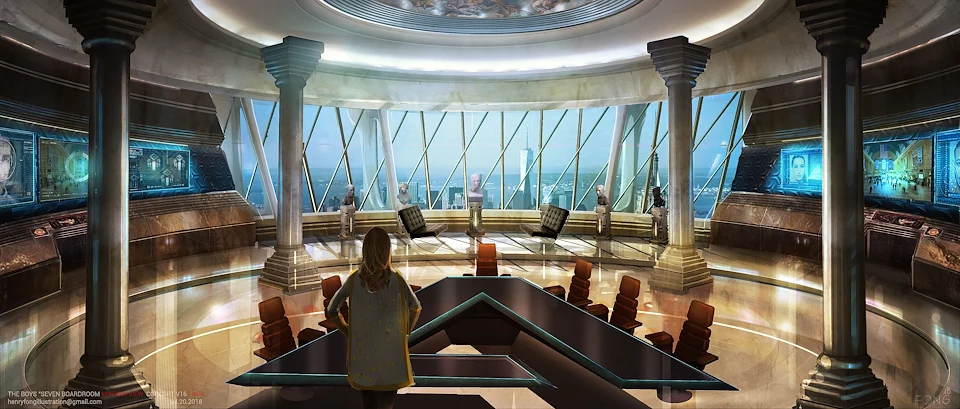
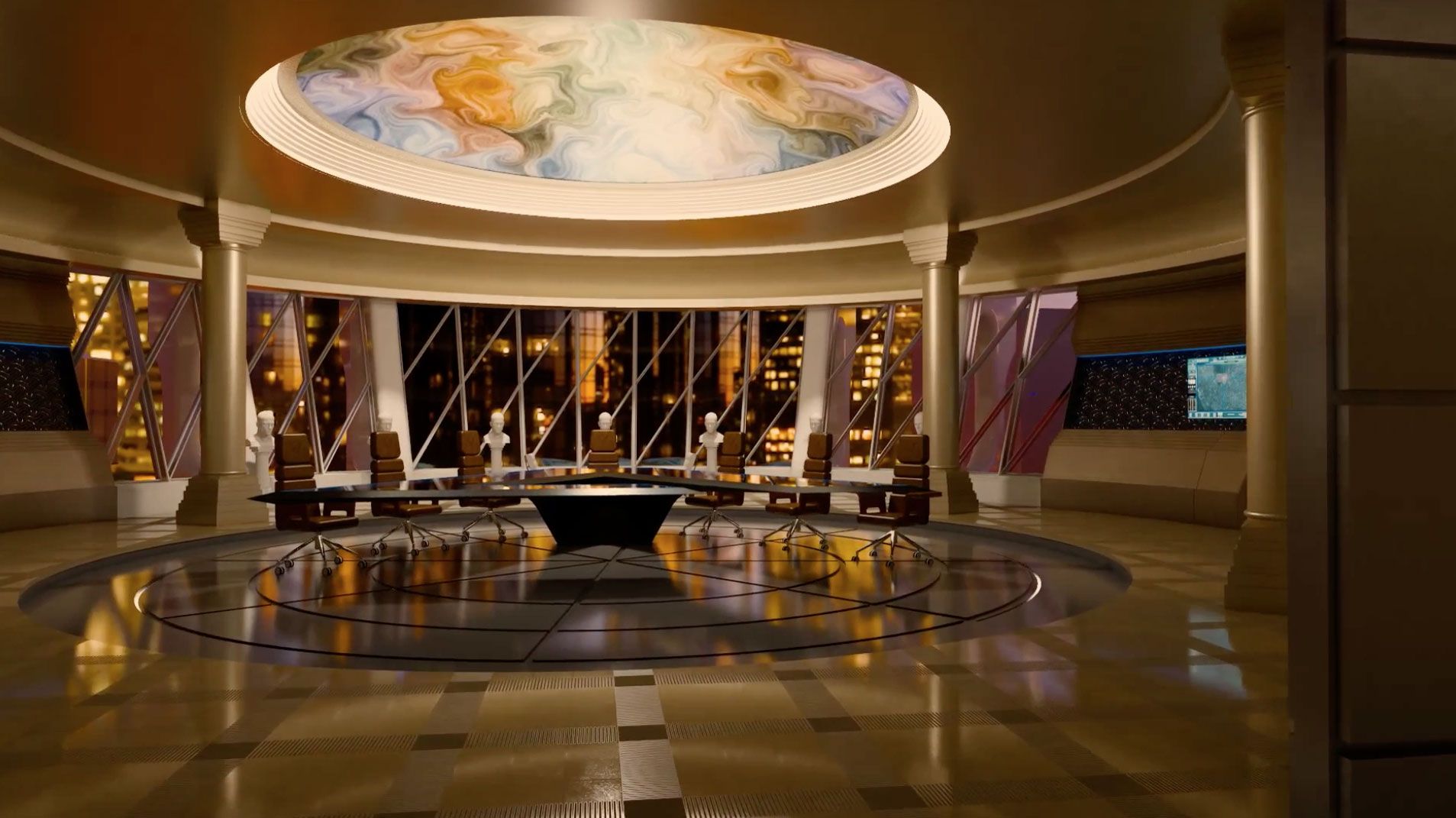
Utilizing concept art to help visualize the Vought boardroom in “The Boys.” This frame is given to the concept illustrator to do a “paint over”, which adds more unique textures and specific details to the design.
Do you have any unique use cases of using SketchUp in your industry?
In an earlier project in my career, I created a pre-visualization for the final shot of the series “ER.” Production Designer Charlie Lagola was someone who I had worked with for years, and he knew I was working with this “new” 3D software that could quickly showcase space. In the fifteen years of producing the show, they had never shown the whole exterior of the hospital. Crazy right? They mainly shot it in fairly tight shots of the ambulance bay because the set was built on the backlot of Warner Brothers Studio in Burbank, California. For the final shot of the show, they wanted to start in the ambulance bay and pull back to see the full building which would be shown through visual effects. To do this, I took photos of the backlot of the studio and texture-mapped them onto the SketchUp model. I was able to create a fairly decent pre-visualization of the scene, moving from the bay to the final shot. This was my first experience using SketchUp’s Advanced Camera tools and putting actual lenses on the model. We were able to stand with the Director in the backlot with my laptop and the model and simulate the shot while standing in the space, making adjustments based on lenses and camera height.
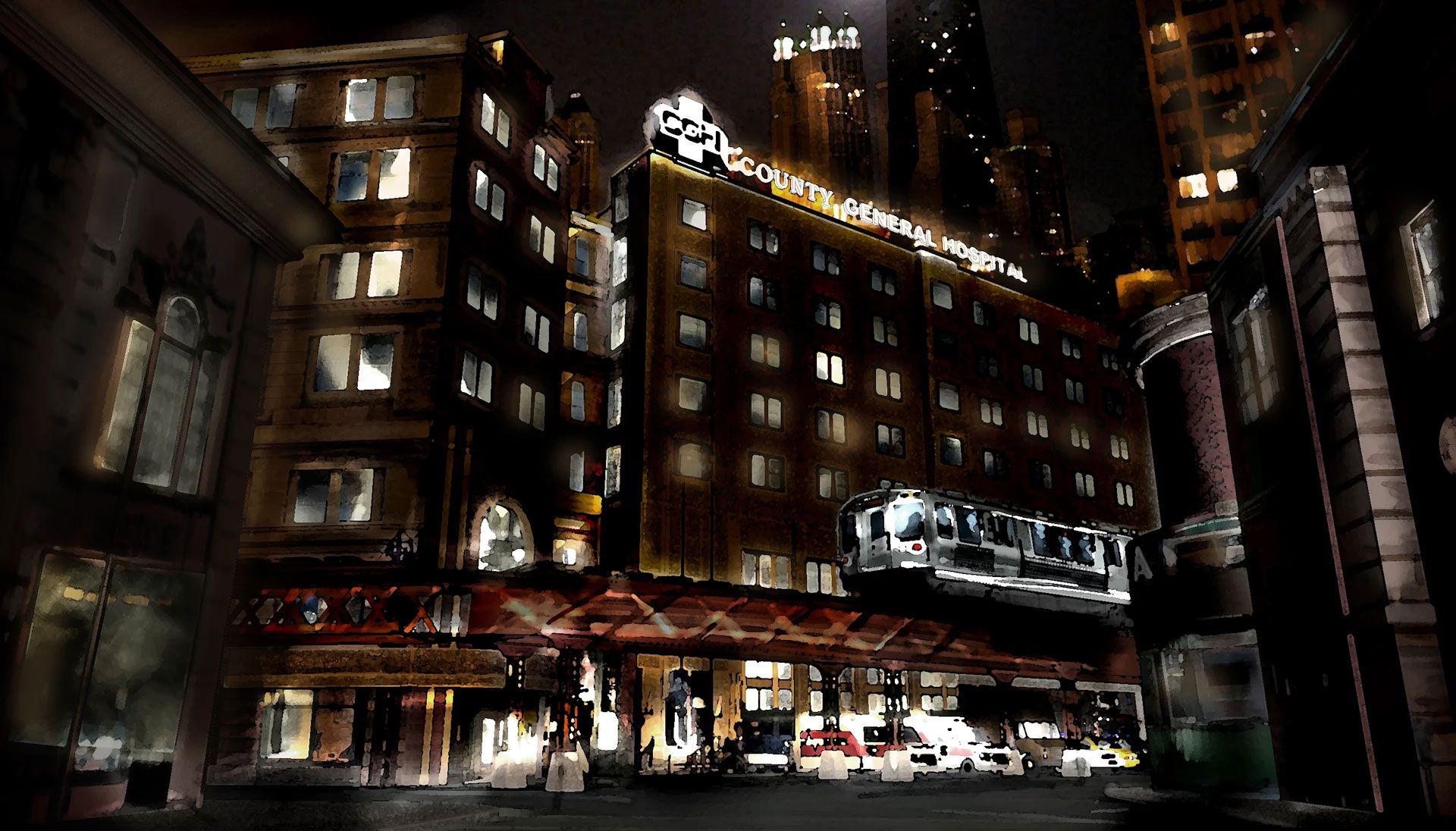
A pre-visualization for the final shot of “ER.”
What are some benefits of using SketchUp?
SketchUp allows me to create a perfectly-scaled rendering that can then be quickly translated into construction drawings. This helps me take a project from concept to fully constructed set in a very short amount of time. It also helps communicate my ideas. I can export perspective and isometric views with measurements to convey information to a wide variety of people, easily and accurately.
Do you use 3D Warehouse? If so, how does it help in your workflow?
As SketchUp has improved, so has 3D Warehouse. When 3D Warehouse first came out, it was a bit of a hodge-podge of uploaded models done by a variety of skilled artists. Now, it has a much broader reach with vetted companies uploading models of their doors, windows, and fixtures. These manufacturer models are created at the proper scale so you can just drop it into your design, and you know it will fit. It’s always great to use 3D Warehouse models to “kitbash” things. For example, if you are designing a set, you might need a cool tank or a bunch of high tech components —what those components do, doesn’t really matter at this stage. We really just need them as a placeholder for the models you design later once the overall look is created. The 3D warehouse is also great for high-poly models. These help me create more realistic renders.
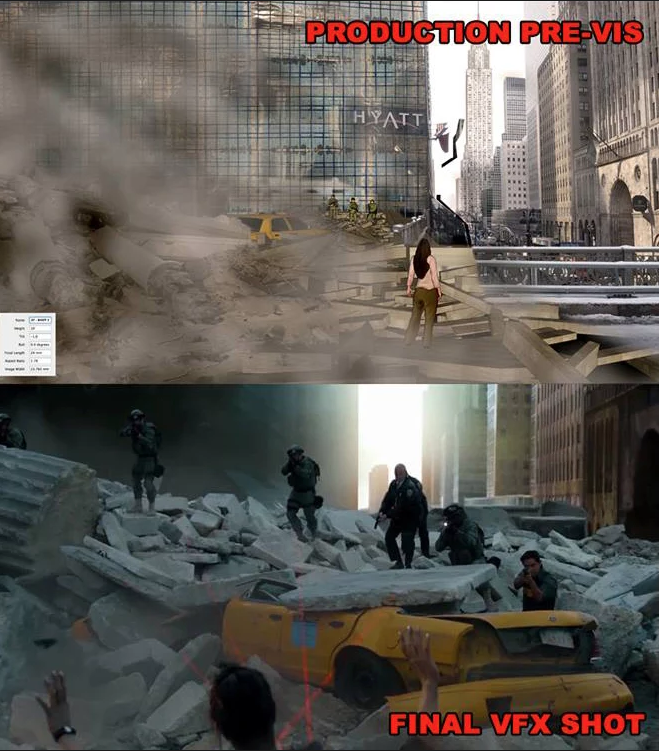
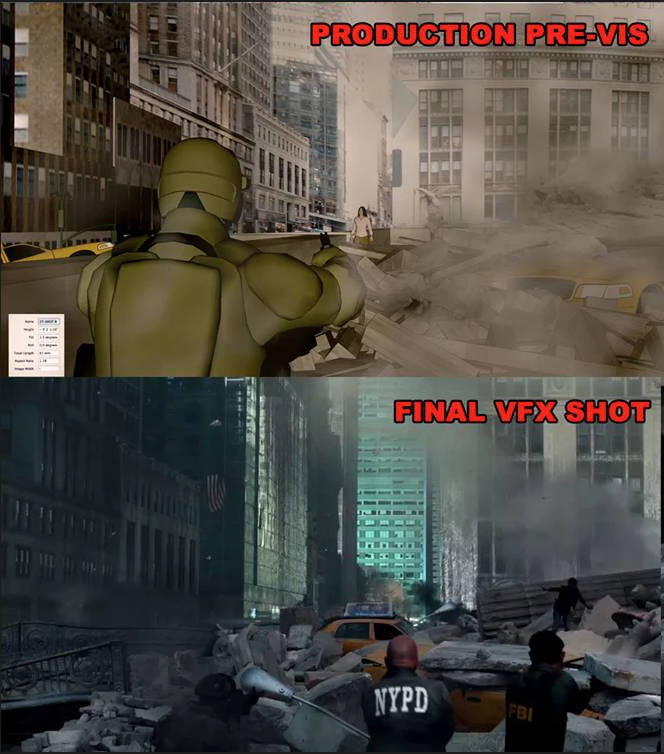
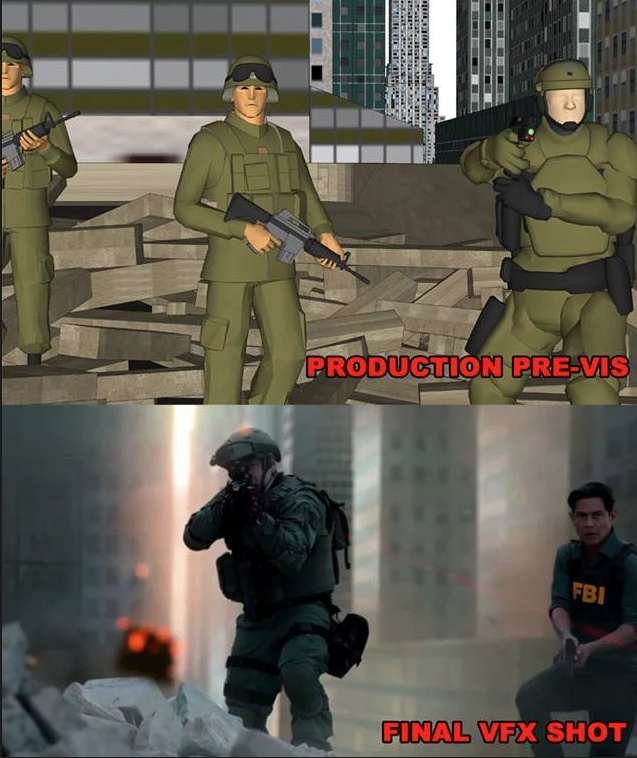
An example of how to utilize kitbashing in TV set design.
For the pilot of the TV Series “Quantico,” the episode centers around the destruction of Grand Central Station in New York City. We had to create a version of the destruction to showcase to producers and the VFX team what we were envisioning. We imported a Google Map of the area and started looking to see if anyone had created other models that we could use. Many of the buildings had already been created so we added them and started creating the area around the destruction site, then we found some NYC Taxi Cabs, a bunch of columns, some SWAT Team figures, a few street lamps, and all of a sudden we were able to put together a very rough pre-vis of the area. This helped determine what would be built versus visual effects.
How have you utilized animations with SketchUp?
With animations, we can give virtual tours of our set design ideas to directors and producers. This is especially important when we are on location and the producers or network executives can’t be in the office to look at a computer screen. We can create a simple SketchUp animation or a more detailed one with a plugin like Thea that allows for reflections and lighting.
How do you create these animations?
For the Series “Pitch” for Fox, we needed to create a version of the San Diego Padres Clubhouse on stage at Paramount Pictures. The challenge is that we had limited space and we weren’t sure what our needs would be for the whole series. I created a labyrinth of corridors that would link the main locker room area to the coach’s office and the executive areas, but we needed it to be able to transform into a variety of spaces and feel organic. We had a multi-use space that was used as the underground causeway entrance to the clubhouse, then it could transform into the press room or the indoor batting/pitching cages. The showrunner Paris Barclay talked about wanting lots of room for “walk-and-talks,” so the corridors opening into the large spaces really helped. With a bit of TV editing magic, you could walk out of a press conference, walk through the locker room and end up in the batting cage, which was really the same space as the press area with a bit of a re-dress. Showcasing this to the executives and studio was made monumentally easier with a SketchUp animation.
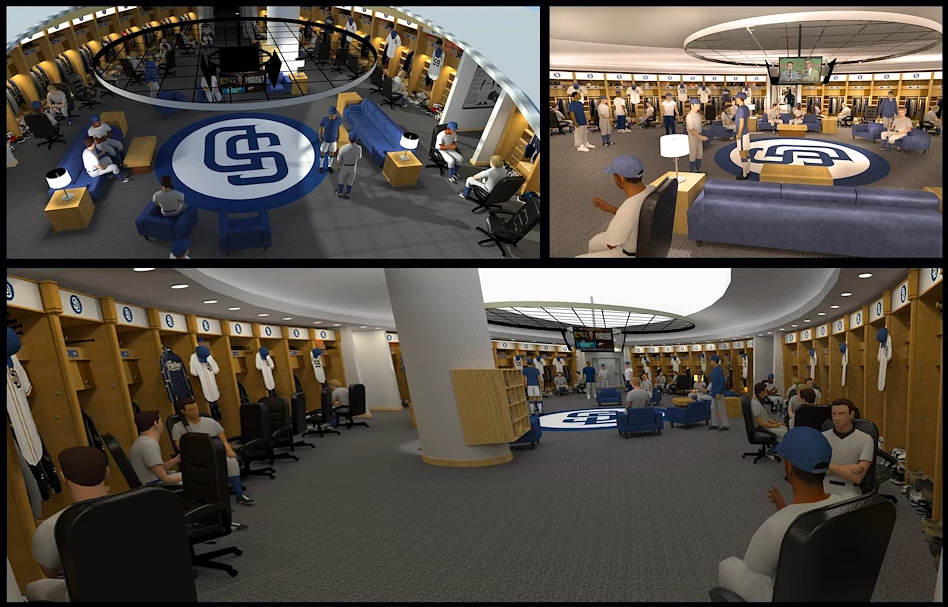
The San Diego Padres Clubhouse with different sets.
Check out the full animation.
What types of rendering software do you use in your SketchUp workflow?
There are a bunch of different options, but I have been using Thea for the last 2-3 years. Pete Stoppel is one of the best SketchUp guys I have worked with over the years. He introduced me to Thea and is a wizard with it. I usually take the model to an almost complete level and then hand it over to him with examples of textures that I want to be included. He works his magic to create some amazing animations and renders that really create that “wow” factor for my network presentations. Nothing compares to showing a fully lit and rendered set to help showcase your vision.
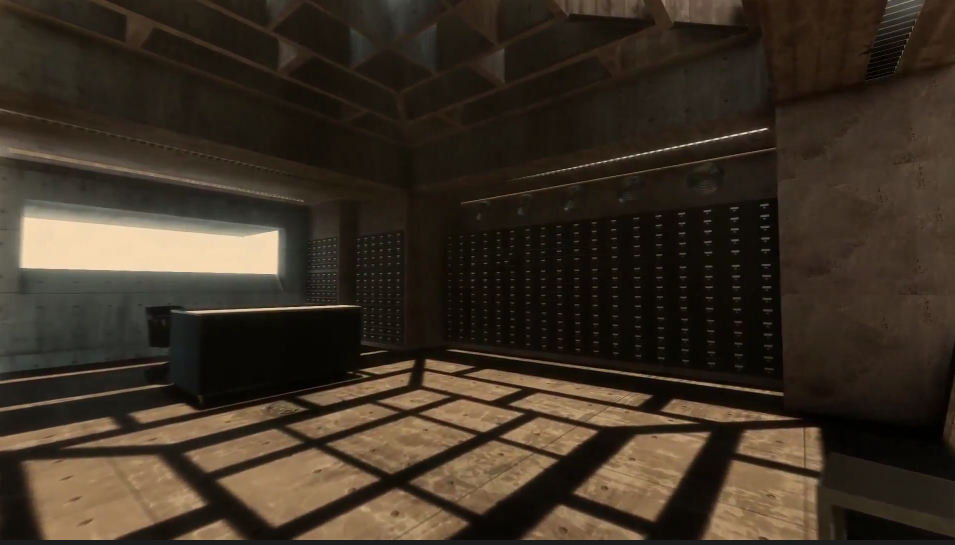
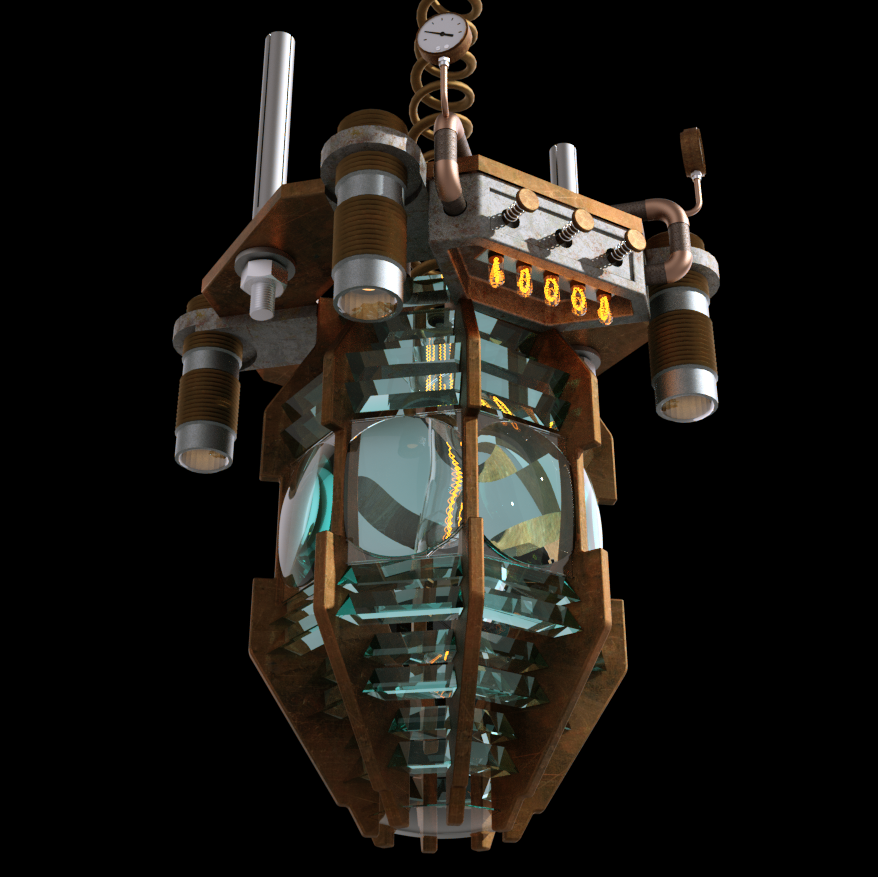
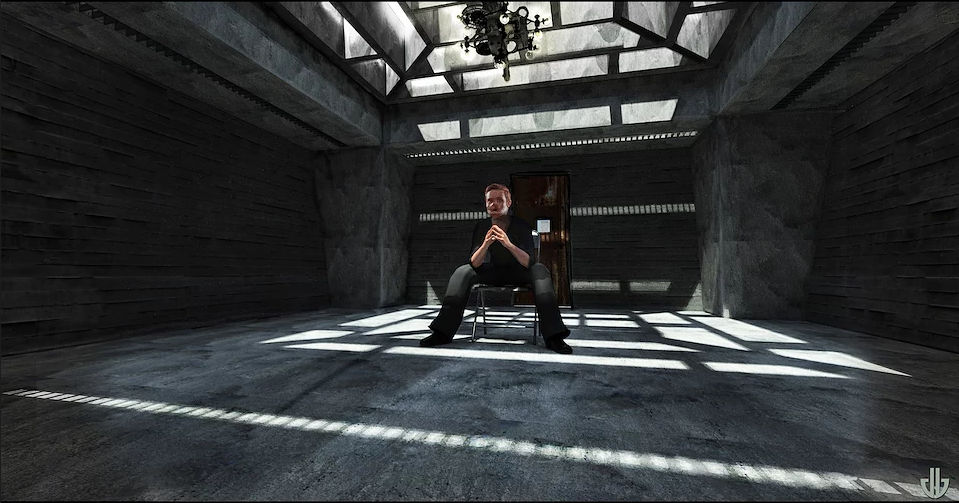
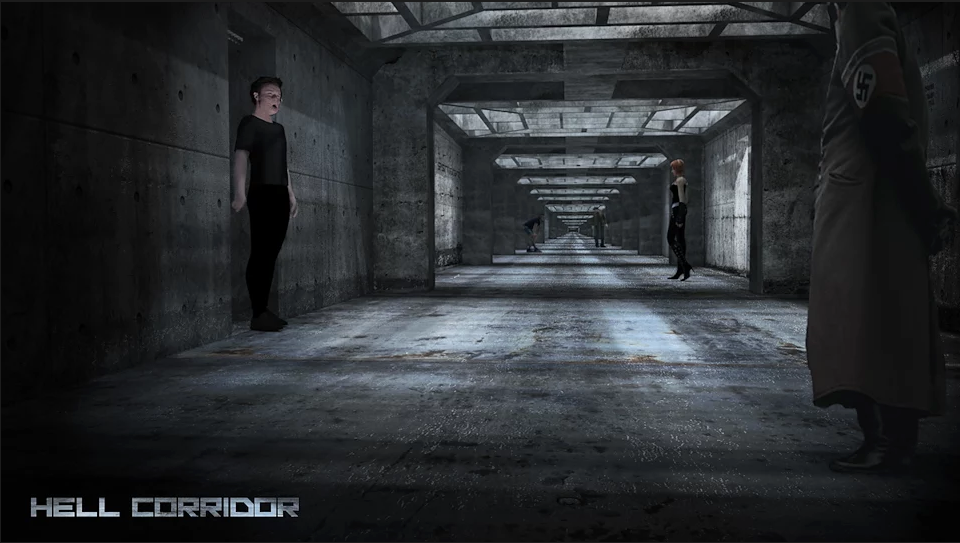
Utilizing rendering to showcase design ideas for the shows “Preacher” and “Hell Set.”
Do you see any trends in the film industry?
I think one of the biggest trends positively impacting the industry is around the interoperability. With so many members on a team, it is super important to be able to access and share different types of files. We are getting to the point that we are able to share assets with the visual effects (VFX) team extremely quickly and vice-versa. For example, the VFX team will send us 3D scans of the sets which we use to incorporate into our set designs.
Another trend is around interactivity. We are starting to create more virtual design experiences during presentations. For example, I will import a SketchUp model and create a virtual walk through environment so I don’t have to send a director a passive animation clip. This allows us to have a virtual meeting in the “space” with the director and cinematographer. We can walk around and make changes to the set and experience it before we spend millions of dollars building it. It’s so incredibly helpful to be in Toronto working on a production and be able to have a video conference call with executives in LA and NY, who are all watching a live walk-through of the set.